
Agentic AI
Agentic AI end to end: how an agent runs step by step, the frameworks (LangChain, LangGraph, CrewAI and the agent SDKs), tools and MCP, memory, multi-agent systems, tracing with LangSmith and Langfuse, evaluation with DeepEval and RAGAS, guardrails, tutorials and the latest trends, with simulations you can run.
Nothing matches. Try another word.
How an agent works, step by step
The whole agentic stack in eight steps, from the first instruction to production. Each step links to the guide and the simulation that go deeper.
Give it a goal and instructions
An agent starts from a task and a system prompt that says what it may do and how to report back. Clear instructions, a list of tools and a definition of done matter more than any framework.
Let the model reason and choose
On each turn the LLM reads the conversation and decides: answer now, or call a tool. This reason-act-observe cycle is the ReAct loop, and it repeats until the task is done or a step limit is hit.
Call tools
The model emits a structured tool call (function calling); your code runs it and returns the result. The Model Context Protocol standardises how tools, data and prompts are offered to any agent.
Keep state and memory
Every step adds to the agent's state: messages, tool results, intermediate decisions. LangGraph stores it in checkpoints so a run can pause, resume or be replayed; long-term memory keeps facts across sessions.
Control the flow
Real agents are graphs: routing, loops, retries, parallel branches, hand-offs to other agents and pauses for a human to approve risky actions.
Trace every step
Tracing records each LLM call, tool call, token count, latency and cost as a tree of spans. LangSmith and Langfuse show why an agent did what it did and where time and money went.
Evaluate
Test the final answers and the path to them on a fixed dataset: task success, tool-call correctness, faithfulness to retrieved context. DeepEval, RAGAS and LLM-as-judge turn this into repeatable scores.
Guard and deploy
Limit permissions, sandbox tools, defend against prompt injection, set budgets and monitor in production, then improve the agent from the traces and evaluations.
November 2026 42
October 2026 1
01Simulations 18
Interactive simulations of agent loops, tool calls, tracing and evaluation: change the settings and watch every step.
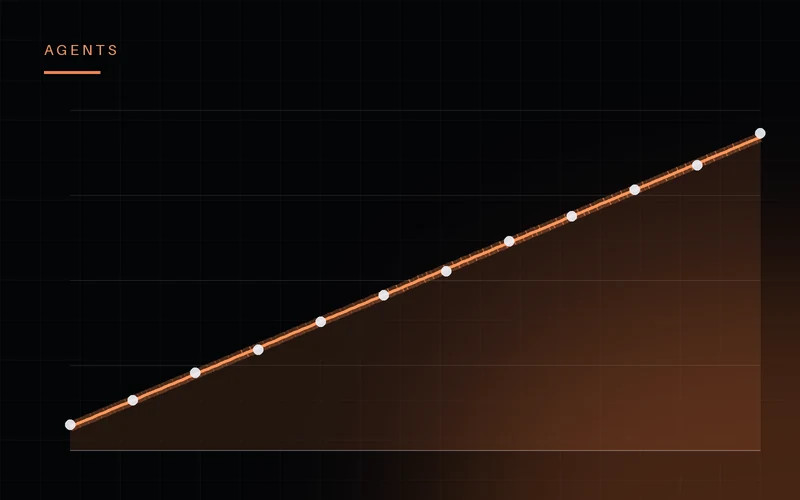 Why agent runs get expensive: tokens, context growth and prompt cachingTrace a twelve-step agent run: input tokens grow every step, cost grows with the square of the steps, and prompt caching changes the bill. Use your own trace.Open simulation →
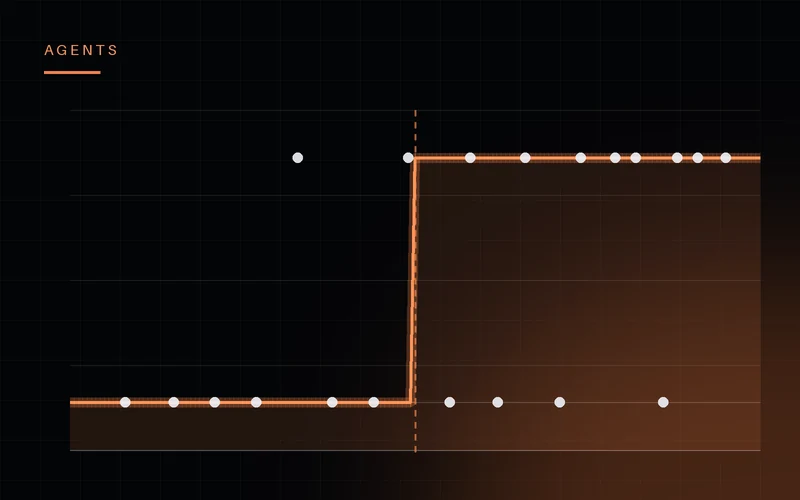 Can you trust your LLM judge? Agreement with human labels and Cohen's kappaCalibrate an LLM judge against human labels: pick its threshold, measure agreement and Cohen's kappa, and see which answers it wrongly passes or fails.Open simulation →
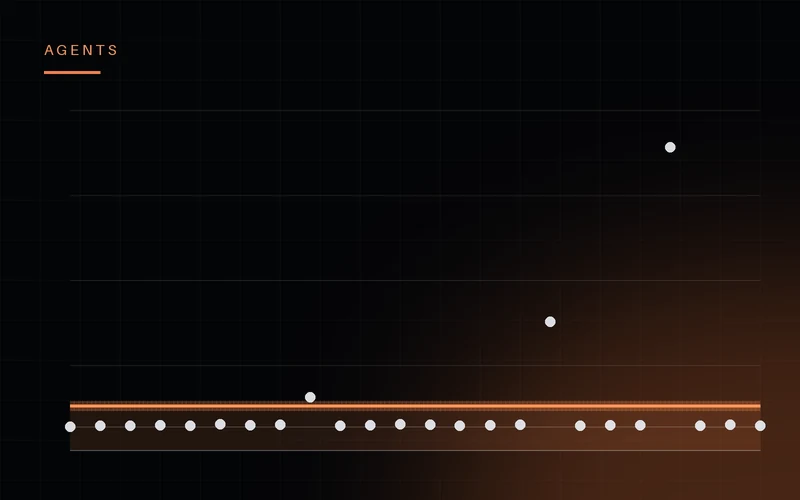 Prompt cache hits in an agent session, how lifetime, write premium and pauses set the billSimulate prompt caching across 24 agent calls: cache lifetime, hits and misses, write premium, read discount, break-even reads and the saving on the session.Open simulation →
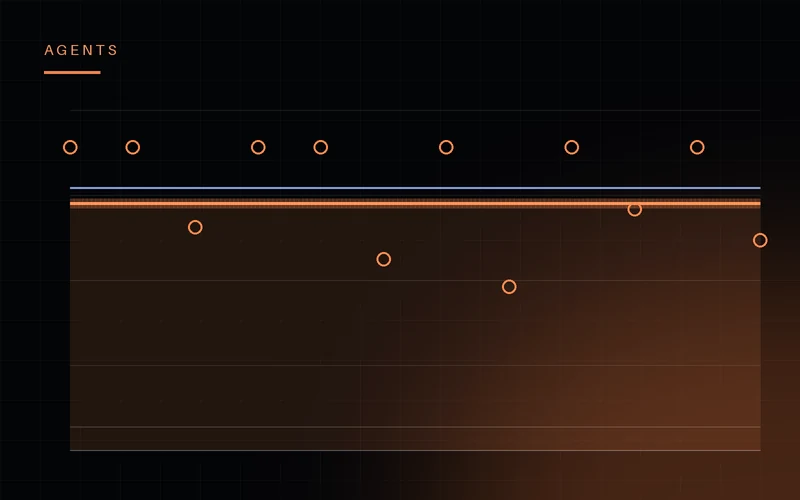 Evaluating a RAG agent: faithfulness, context precision and recall, step by stepScore a RAG agent like RAGAS and DeepEval do: faithfulness, context precision and context recall per question, a release bar, and how the metrics connect.Open simulation →
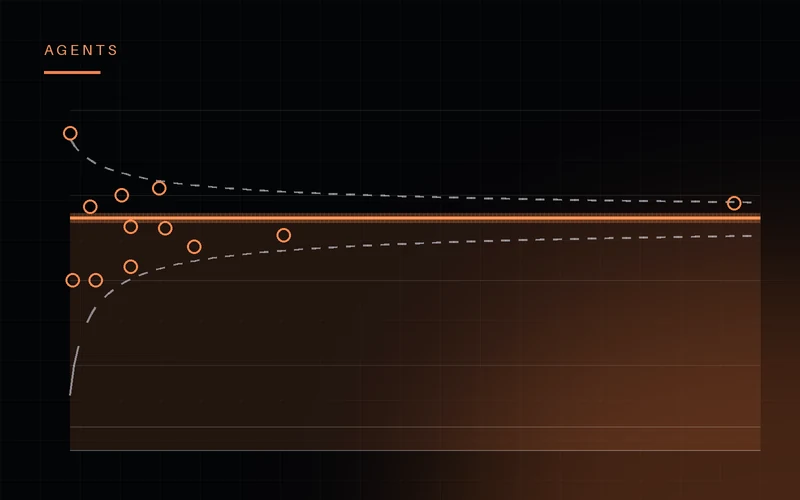 Agent benchmark scores with confidence intervals and the cost of each resolved taskSimulate a coding agent's SWE-bench Verified score: Wilson confidence interval, test against a rival, funnel plot by repository and cost per resolved task.Open simulation →
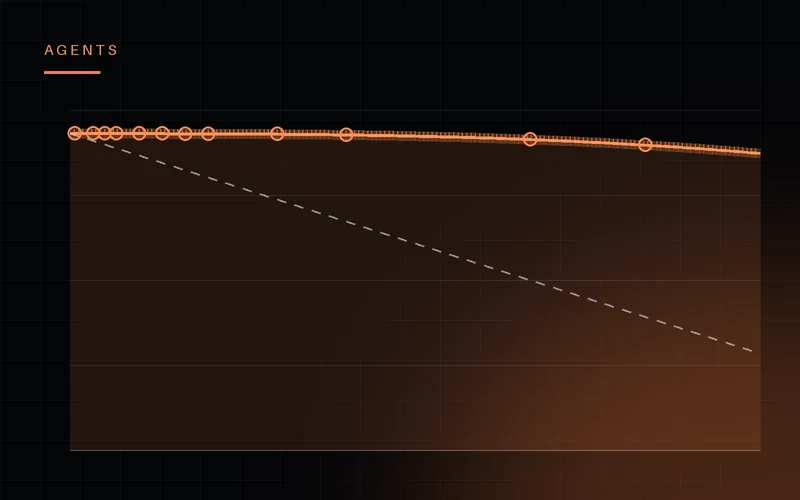 Tool-call retries with exponential backoff, success rate, waiting time and extra loadSimulate retries for agent tool calls: success after M attempts, expected attempts, backoff with jitter, extra load and the chance a whole agent task succeeds.Open simulation →
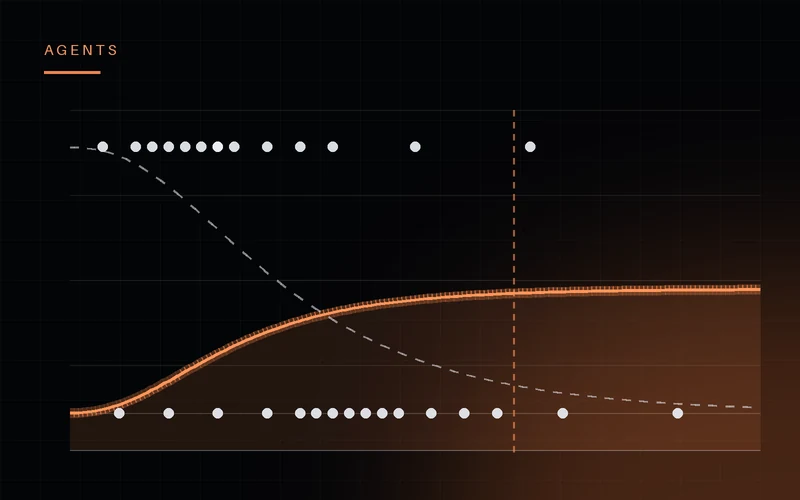 Agent step limits: how a turn cap trades solved tasks against cost per resolved taskSet a step limit on thirty coding-agent runs and see which get cut off, how the resolve rate falls, and why cost per resolved task has a minimum. Live numbers.Open simulation →
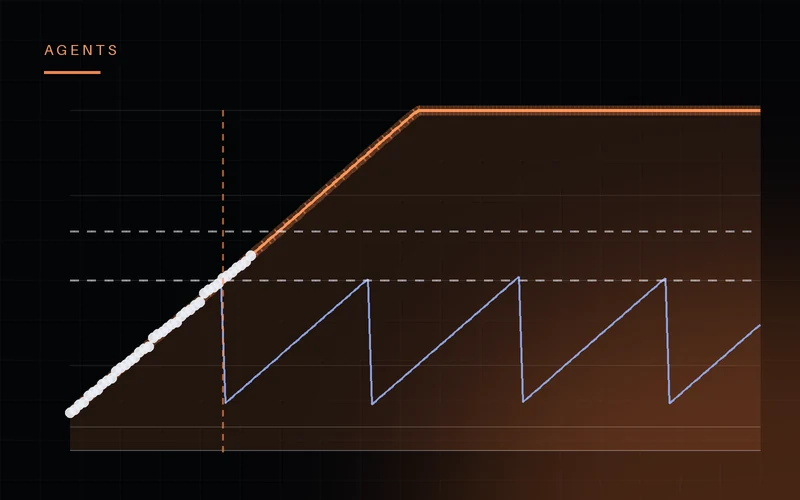 Context compaction for agents: when to summarise the history and what it savesFit how fast an agent's context grows, set a compaction trigger and summary size, and run the loop to see when it summarises, how often, and what it saves.Open simulation →
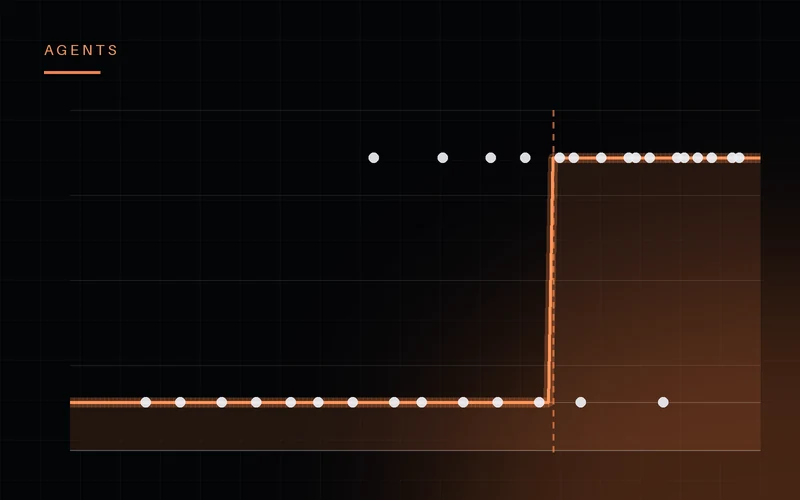 LLM cascade simulation: answer with a small model, escalate hard queries, and save costSimulate a FrugalGPT-style LLM cascade on 30 queries: a scorer keeps or escalates the small model's answer. Set the threshold and see accuracy and cost move.Open simulation →
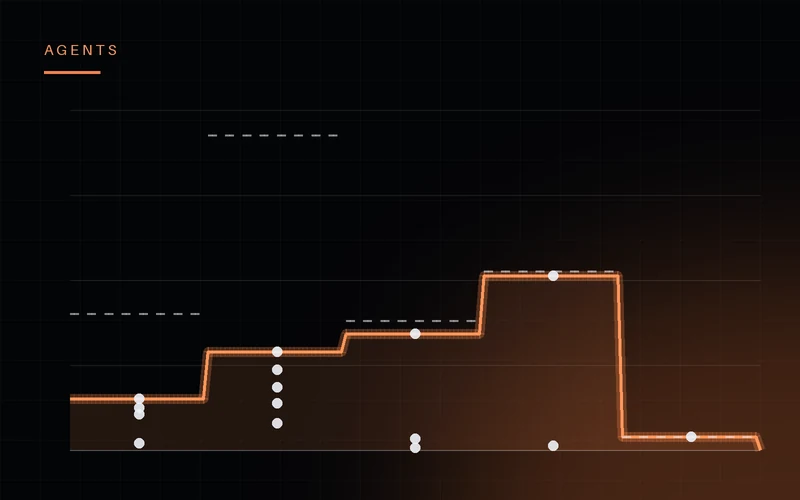 Parallel versus sequential tool calls: waves, the critical path and agent latencyGroup an agent's tool calls into dependency waves and see how parallel calls cut run time to the critical path plus one model turn per wave. Live numbers.Open simulation →
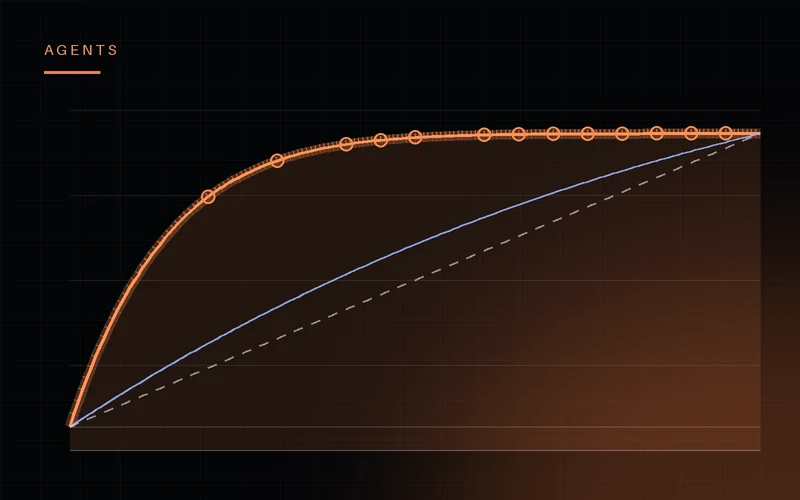 Reflexion simulation: how self-written lessons raise an agent's success over retriesSimulate Reflexion on 24 ALFWorld-style tasks: compare plain retries with retries that carry written lessons, set memory size and trials, and see success grow.Open simulation →
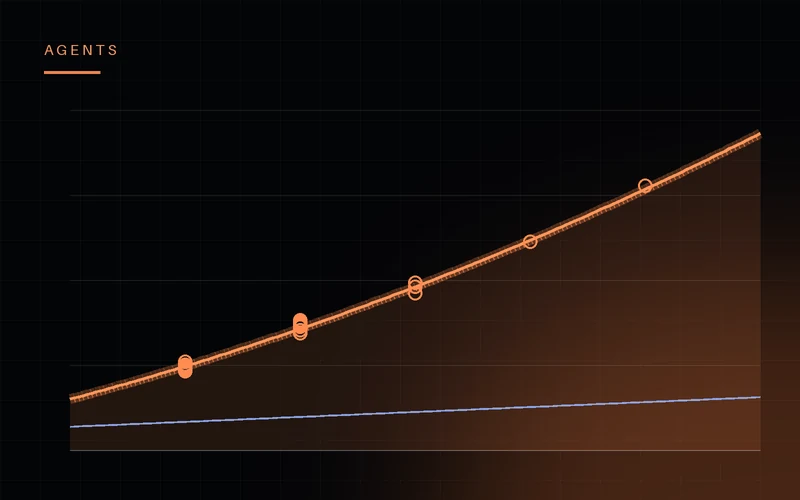 ReWOO versus ReAct: how many tokens an agent saves by planning its tool calls up frontCompare ReAct and ReWOO on 20 HotpotQA-style questions: count the tokens each sends, see why ReAct grows with every step and how much planning once saves.Open simulation →
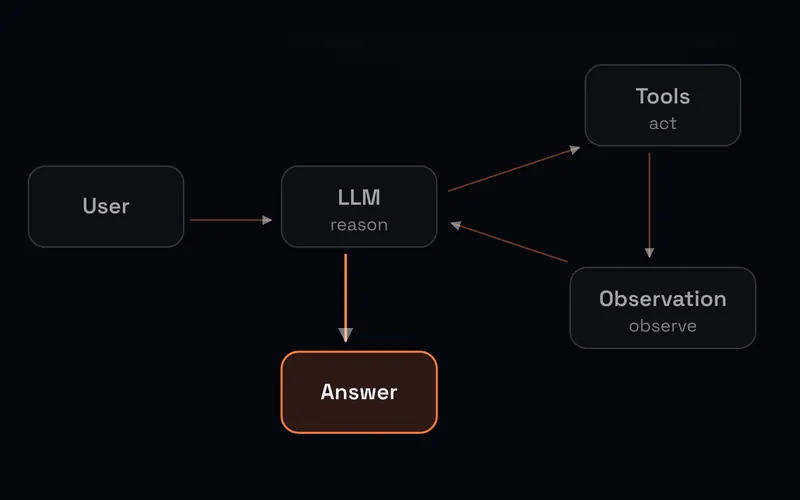 Agentic patterns: ReAct, plan and execute, reflection, multi-agent, routingSix ways to wire models, tools and people: ReAct, plan and execute, reflection, orchestrator and workers, routing and human approval.Open simulation →
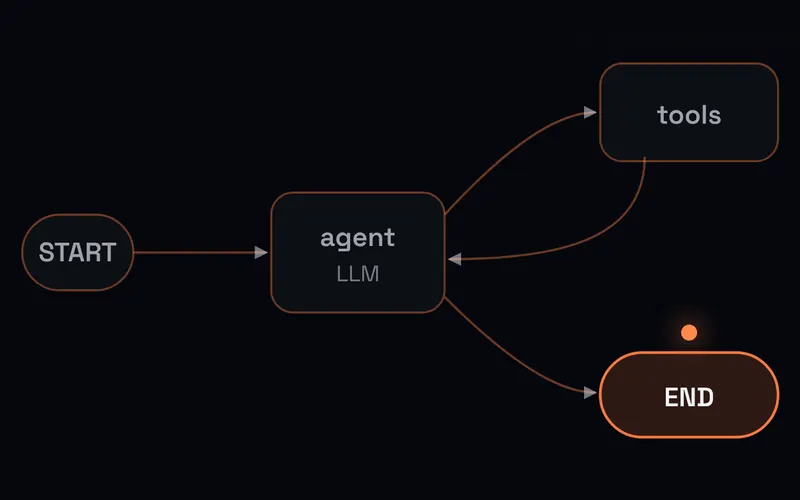 An agent run: LangGraph loop, Langfuse trace, DeepEval and RAGAS scoresFollow an AI agent step by step: the LangGraph loop between model and tools, the trace as spans with time and tokens, and evaluation scores.Open simulation →
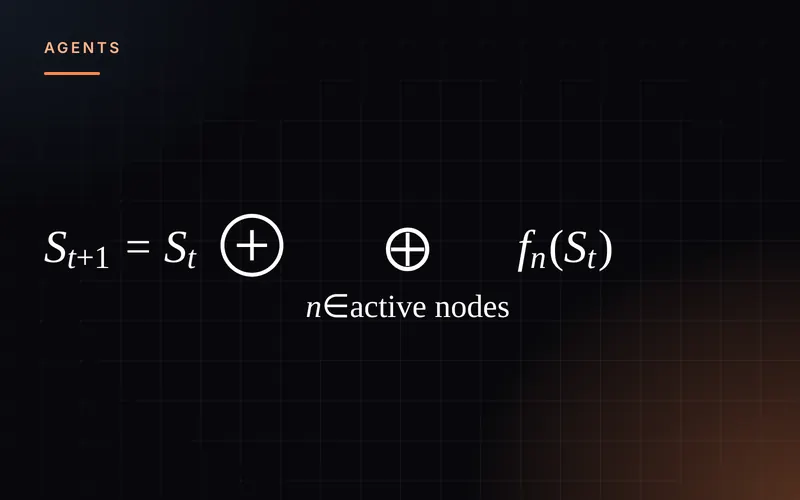 LangGraph state, checkpoints, interrupts and time travelStep through a LangGraph run: the state after every node, saved checkpoints, an interrupt for human approval, and time travel from an earlier checkpoint.Open simulation →
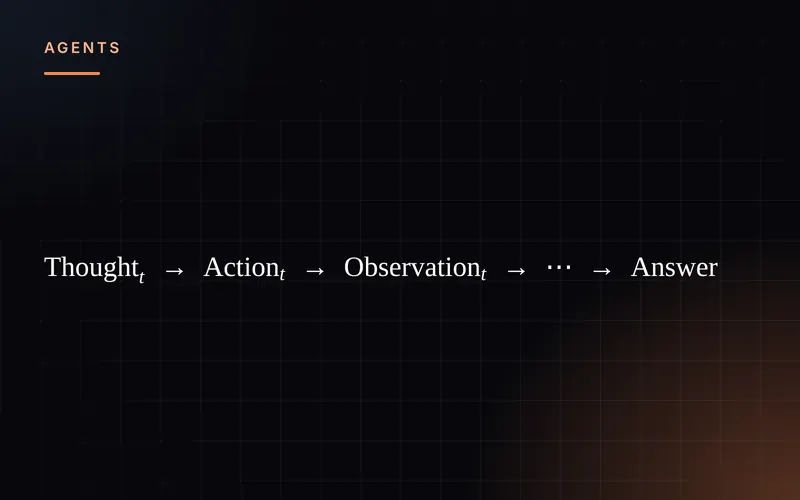 ReAct agent: thought, tool call, observation, with your own questionAsk your own question and watch an agent plan, call a calculator, unit converter, date tool or knowledge-base search, read the result and answer.Open simulation →
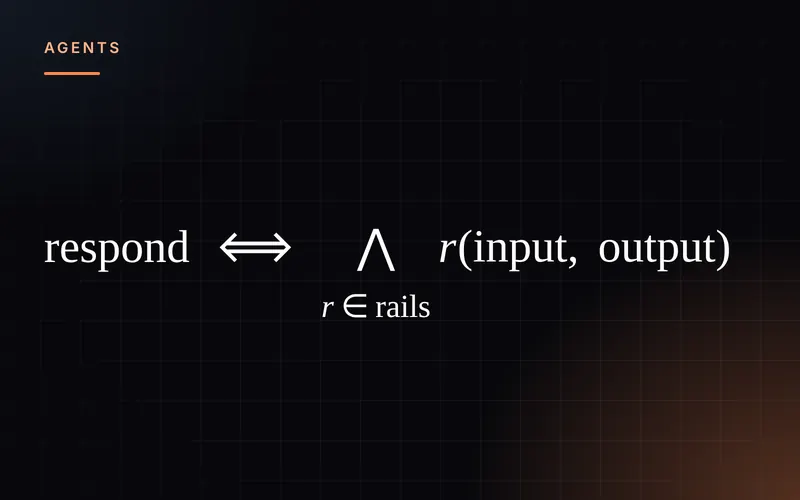 Guardrails: prompt injection, PII masking and grounding checksType any message and watch input and output guardrails detect prompt injection, mask cards and emails, stop off-topic requests and remove unsupported sentences.Open simulation →
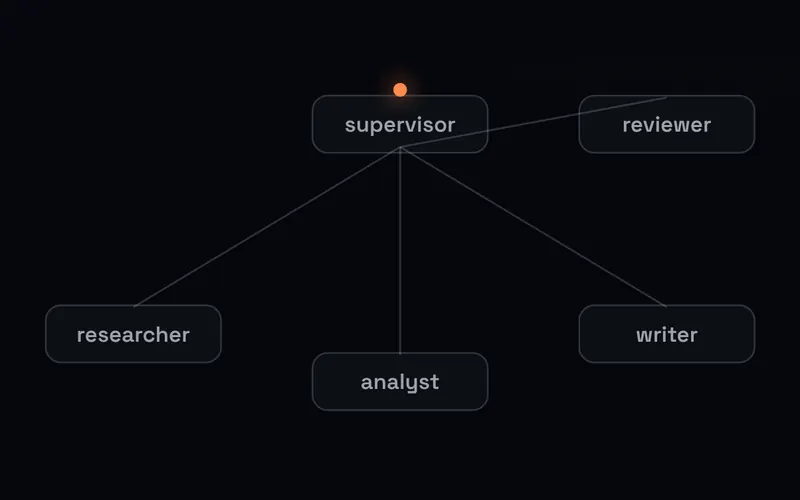 Multi-agent supervisor: researcher, analyst, writer and reviewerGive a team of agents your own task: a supervisor routes it to a researcher, an analyst and a writer, and a reviewer sends unsupported drafts back.Open simulation →