
Data Management
Data Management
Everything about data, from storage to dashboards: warehouses such as Snowflake and Databricks, lakehouses and Delta Lake, the medallion architecture, data modeling, Spark batch and streaming, pipelines, governance and BI, with simulations you can run.
Nothing matches. Try another word.
November 2026 19
Power BI storage modes explained: Import, DirectQuery, Dual and Direct Lake comparedHow Power BI storage modes work and when to use each: Import, DirectQuery, Dual, Direct Lake guardrails, composite models, aggregations and incremental refresh.Read →Fact table types explained: grain, transaction, periodic and accumulating snapshotsA hands-on guide to fact tables: declare the grain, then build transaction, periodic snapshot, accumulating snapshot and factless facts in runnable DuckDB SQL.Read →BigQuery costs explained: bytes billed, partition pruning, clustering and slot editionsHow BigQuery bills a query, step by step: logical bytes per column, partition pruning, clustering, caching, cost guards and when slot editions beat on-demand.Read →Star schema, one big table or Data Vault? A measured guide to choosing a data modelKimball star schemas, one big table and Data Vault compared with a 3-million-row test: storage, query speed, change cost, history and when each model fits.Read →Spark Structured Streaming watermarks, windows and output modes, traced batch by batchA batch-by-batch trace of Spark Structured Streaming on PySpark 4.3: tumbling, sliding and session windows, how the watermark moves, late rows and output modes.Read →Spark adaptive query execution explained: shuffle partitions, broadcast joins and skewHow Spark adaptive query execution re-plans at runtime: coalescing shuffle partitions, switching to broadcast joins and splitting skew, measured in PySpark 4.3.Read →Snowflake virtual warehouses and credits: sizing, auto-suspend and multi-cluster mathsHow Snowflake virtual warehouses turn seconds into credits: size doubling, the 60-second minimum, auto-suspend, multi-cluster scaling and worked cost examples.Read →How semantic layers stop fan-out: measures, entities and join paths, tested with MetricFlowWhy BI joins double count, and how semantic layers prevent it: measures at their own grain, entity join paths, ratio metrics and symmetric aggregates, tested.Read →Slowly changing dimensions done right: SCD Type 2, surrogate keys and point-in-time fact loadsHow to build SCD Type 2 dimensions with surrogate keys, load facts against the version valid at the time, and use Spark 4.3 Auto CDC and ASOF joins.Read →Protecting personal data in the warehouse: hashing, keyed tokens, masking and k-anonymityWhy hashed emails are not anonymous, how keyed tokens, dynamic masking and row policies work, and how to measure k-anonymity in SQL, with tested numbers.Read →Inside a Parquet file: row groups, pages, encodings, statistics and compression measuredA hands-on tour of Parquet internals: row groups, column chunks, pages, dictionary encoding, min-max statistics and codecs, with measured sizes and bytes read.Read →Medallion architecture in practice: bronze, silver and gold with quality gates and replayBuild a bronze, silver and gold pipeline step by step: raw landing, named checks, a quarantine table, a reject-rate quality gate, gold tables and safe replays.Read →Idempotent batch jobs: partition overwrites, data intervals and safe backfillsMake batch jobs safe to rerun: static versus dynamic partition overwrite in Spark 4.3, data intervals, high-water marks and Airflow 3.4 backfills, all tested.Read →Delta Lake's transaction log explained: commits, checkpoints, deletion vectors and VACUUMHow Delta Lake turns Parquet files into an ACID table: _delta_log JSON commits, add and remove actions, checkpoints, time travel, deletion vectors and VACUUM.Read →dbt incremental models explained: merge, delete+insert, microbatch and safe backfillsHow dbt incremental models work, step by step: is_incremental, unique_key, merge versus delete+insert, late data, microbatch batches and safe backfills.Read →Unity Catalog explained: namespaces, privileges, credential vending and metric viewsHow Unity Catalog organises catalog.schema.table, how grants inherit, why reads need three privileges, how credentials are vended and what metric views add.Read →ClickHouse MergeTree explained: parts, granules, the sparse primary key and skip indexesHow ClickHouse MergeTree stores data in parts and 8,192-row granules, how the sparse primary key prunes reads, and when skip indexes or projections help.Read →Change data capture with Debezium and Kafka Connect, applied safely with MERGEHow log-based change data capture works with Debezium and Kafka Connect, what a change event contains, and how to apply events idempotently with MERGE.Read →How Apache Iceberg tables work: metadata files, manifests, snapshots and hidden partitioningA hands-on tour of an Apache Iceberg table: metadata.json, manifest lists, manifests, snapshots, hidden partitioning, deletes and time travel with PyIceberg.Read →
01Simulations 4
Interactive simulations of warehouses, pipelines and processing engines: change the settings, use your own numbers and watch every step.
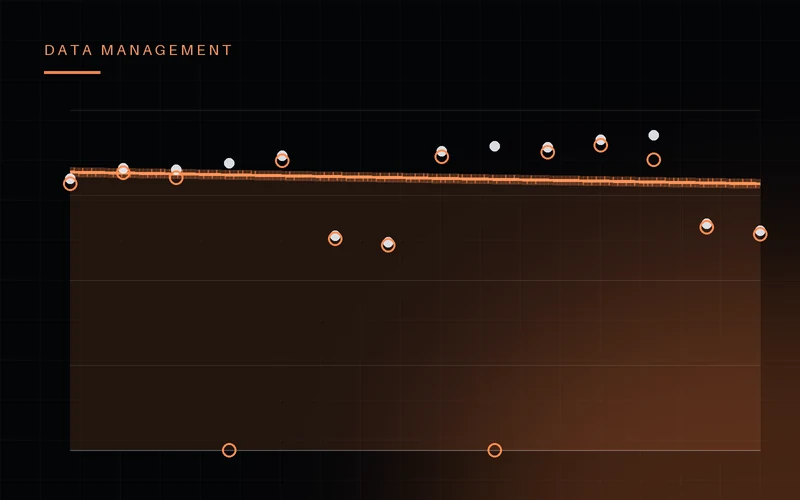 Medallion architecture in action: bronze, silver, gold and a quality gateRun a medallion pipeline on fourteen daily loads: land in bronze, deduplicate and validate into silver, and let a quality gate decide which days reach gold.Open simulation →
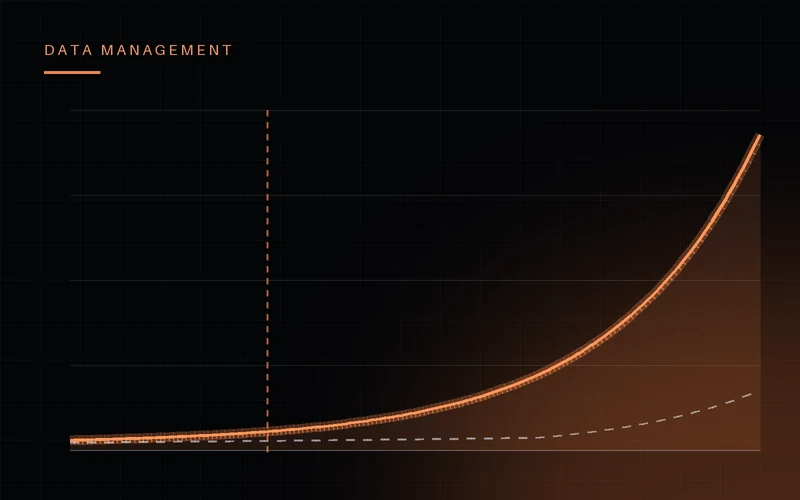 Snowflake warehouse sizing: speed, credits and the cost of idle timeSize a Snowflake virtual warehouse: run time, credits, idle auto-suspend time and dollar cost of a BI refresh at every size, on your own query history.Open simulation →
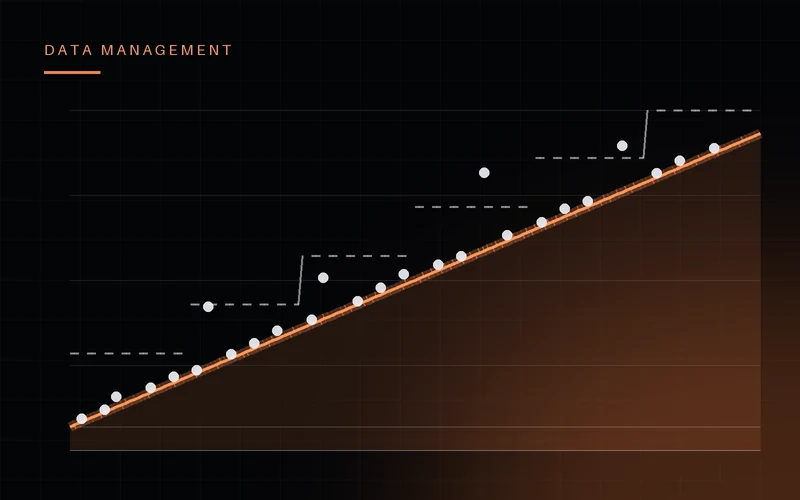 Streaming windows and watermarks: how Spark and Flink decide an event is too lateEvent-time windows and watermarks, live: choose a window size and watermark delay and see which late events are dropped and how long results wait.Open simulation →
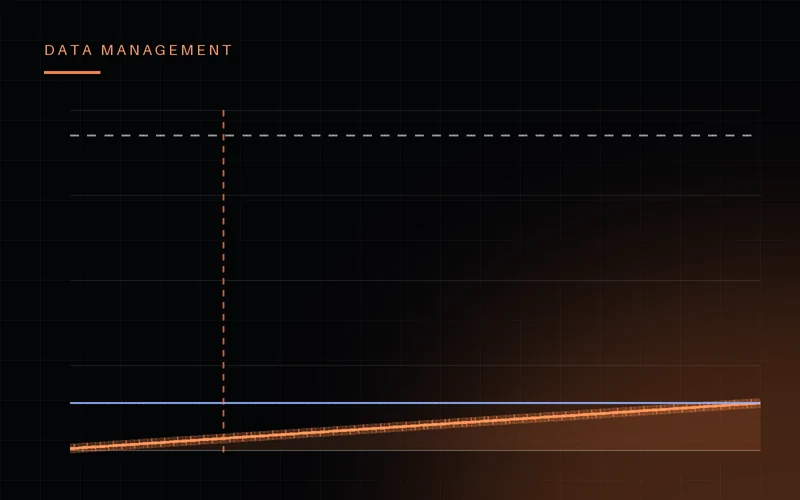 BigQuery bytes scanned: how partition pruning and column choice set the cost of a querySee how BigQuery on-demand pricing turns bytes scanned into dollars, and how partition pruning and selecting fewer columns cut the bill of a dashboard query.Open simulation →